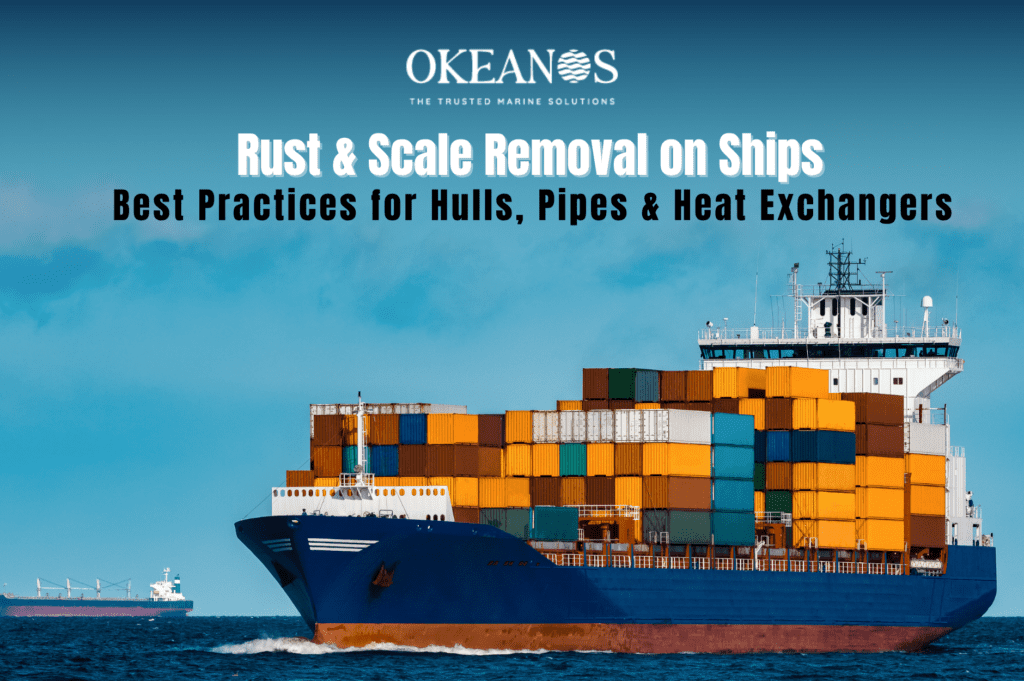
Tank cleaning chemicals for marine vessels are specifically formulated to remove stubborn residues such as oil, sludge, scale, and microbial contamination while ensuring safety for ship structures and the marine environment. The most effective solutions include alkaline cleaners for heavy oil and grease removal, solvent-based chemicals for persistent hydrocarbon deposits, and acidic cleaners for scale and mineral buildup.
Marine vessels, whether cargo ships, tankers, or smaller boats, rely heavily on proper tank maintenance to ensure safety, efficiency, and compliance with international regulations. One of the most critical aspects of this maintenance is tank cleaning, which prevents contamination, corrosion, and microbial growth. Choosing the right industrial cleaning chemicals can make a huge difference in effectiveness, operational efficiency, and environmental safety.
Why Tank Cleaning Matters
Tank cleaning is essential to maintain safety, operational efficiency, and regulatory compliance across marine and industrial applications. Regular cleaning prevents the buildup of sludge, residues, and contaminants that can compromise cargo quality, reduce tank capacity, and accelerate corrosion.
It also minimizes the risk of fire, toxic exposure, and environmental pollution while ensuring tanks meet inspection and hygiene standards. Effective tank cleaning ultimately extends equipment lifespan, reduces maintenance costs, and supports safe, uninterrupted operations.
Vessel tanks, especially those carrying fuel, oil, or chemicals, are prone to residues that can degrade the quality of the next cargo, reduce engine efficiency, or even lead to hazardous situations. Common challenges include:
- Sludge and heavy residue buildup
- Microbial growth, including bacteria and fungi
- Corrosion due to chemical reactions
- Environmental hazards from improper cleaning
Using specialized tank cleaning chemicals ensures that these problems are minimized while maintaining compliance with marine regulations like IMO MARPOL Annex II.
Types of Tank Cleaning Chemicals
Tank cleaners are formulated to remove different kinds of residues such as oil, scale, sludge, and microbial growth from marine and industrial tanks. Choosing the correct type of tank cleaner ensures effective cleaning, protects tank surfaces, and helps maintain safety and regulatory compliance.
1. Alkaline Detergents
- Best for heavy oil and grease residues
- Break down hydrocarbon-based deposits, making them easier to remove
- Often used with hot water for improved cleaning efficiency
2. Acidic Cleaners
- Target scale, rust, and mineral deposits
- Particularly useful for ballast tanks or tanks exposed to hard water
- Must be used carefully to avoid damage to metal surfaces
3. Solvent-Based Cleaners
- Effective for resin, bitumen, and polymer residues
- Dissolve sticky or tar-like deposits that water-based cleaners cannot remove
- Require proper ventilation due to strong fumes
4. Biocides / Microbial Cleaners
- Prevent bacterial and fungal growth in fuel or water tanks
- Reduce slime formation and corrosion caused by microbial activity
- Commonly used as preventive maintenance alongside regular cleaning
5. Emulsifiers and Dispersants
- Break oil droplets and sludge into smaller particles for easier removal
- Improve flushing efficiency during tank cleaning
- Often used in combination with alkaline detergents
How to Choose the Best Tank Cleaner for Different Residues
Looking for a tank cleaner in UAE? Check out the criteria for choosing the tank cleaner. Selecting the right tank cleaner is crucial for achieving thorough cleaning while protecting tank surfaces and meeting environmental standards. The most effective tank cleaning strategy depends on the type of residue present, the tank material, and applicable regulatory requirements.
- Heavy Fuel Oil Residue: Alkaline detergents combined with high-pressure water jets are highly effective in breaking down thick oil and grease deposits for easier removal.
- Corrosion or Scale: Acid-based cleaners work best for removing rust and mineral buildup and are typically followed by neutralizing agents to safeguard the tank metal.
- Microbial Contamination: Biocides or specialized microbial control chemicals help eliminate bacteria and fungi while preventing regrowth and associated corrosion.
- Mixed Residues: A staged cleaning approach using a combination of emulsifiers, solvents, and detergents delivers the best results when dealing with complex or layered contamination.
Choosing the appropriate cleaner ensures efficient cleaning, longer tank life, and safe, compliant operations.
Tip: Automated tank cleaning systems (CIP—Clean-in-Place) often allow dosing the right chemicals efficiently while saving time and water.
Why Environmental Compliance Matters in Tank Cleaning
Marine regulations have become stricter regarding chemical discharge. Choosing eco-friendly, biodegradable tank cleaning chemicals ensures compliance and reduces environmental impact. Many modern cleaners are designed to minimize toxicity while maintaining high cleaning performance.
Conclusion
Effective tank cleaning is not just about scrubbing, it’s about choosing the right chemicals for the right job. By understanding the types of tank residues and matching them with appropriate cleaning agents like alkaline detergents, acids, solvents, biocides, or emulsifiers. Ship operators can:
- Maintain cargo quality
- Reduce corrosion and microbial risks
- Save time and labor costs
- Ensure environmental compliance
Investing in the right tank cleaning chemicals and systems is a key factor in smooth marine operations.
Get Efficient Tank Cleaners in UAE from OKEANOS
Looking for tank cleaners in UAE? Partner with the leading cleaning chemical manufacturers in UAE, OKEANOS.We offer high-performance tank cleaning chemicals designed to meet the demanding needs of modern marine operations. Our efficient tank cleaners are formulated to effectively remove heavy oil residues, sludge, scale, and microbial contamination while ensuring compatibility with vessel tank materials and compliance with international marine regulations.
With a strong focus on safety, efficiency, and environmental responsibility, OKEANOS tank cleaning solutions help ship operators maintain cargo quality, reduce corrosion risks, minimize downtime, and achieve reliable cleaning results. Choosing OKEANOS means investing in proven, eco-conscious tank cleaning chemicals that support smooth, compliant, and cost-effective marine operations.